

NEXiSCore is the i3-compliant ESInet and Next Generation Core Services (NGCS) layer that carries 911 voice, text and data from every carrier to the right PSAP, with validated location and full redundancy.
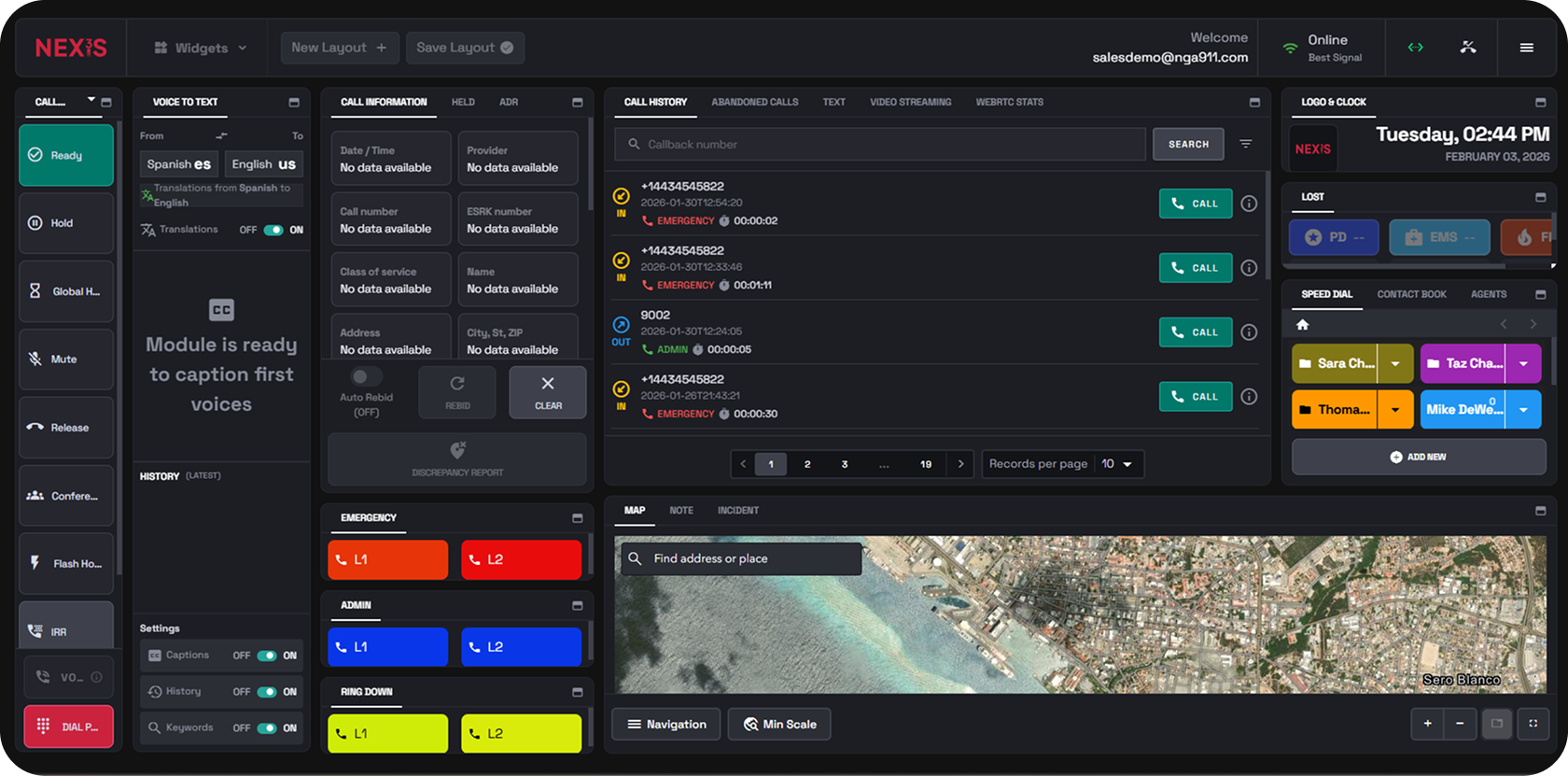


SIP-based i3 call routing through the ESRP and ECRF, so each 911 call reaches the right PSAP the first time.

Redundant, geo-diverse network paths and trunks built for voice, text and video, with no single point of failure.

Location Validation Function (LVF) and GIS-based routing that confirm caller location before the call is delivered.

Configurable routing policies that reroute calls automatically during outages, overflow or planned maintenance.

Standards-based i3 interfaces that connect carriers, neighboring ESInets and any i3-capable call handling system.

Border Control Function (BCF) protection, encrypted transport and strict access controls that keep the ESInet safe from spoofing, TDoS and intrusion.
NEXiSCore sits between the carriers and the 911 center. When a call or text enters the network, NEXiSCore validates the location, queries the ECRF for the correct PSAP, applies your routing policies through the ESRP, and delivers the call with its location and caller data attached. If a PSAP is down or overloaded, policy routing sends the call to a backup center automatically.
See It In Action
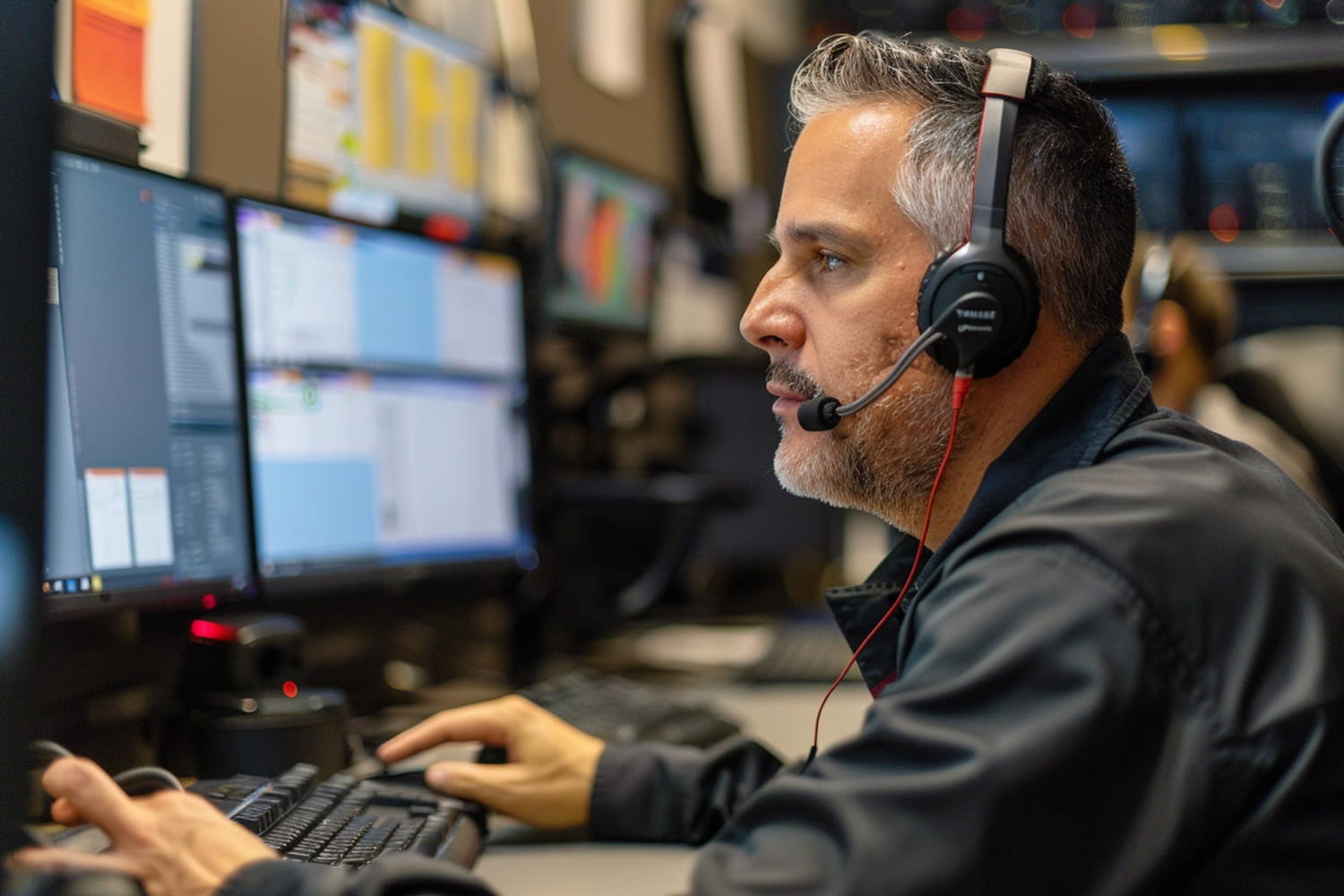
Need 911 call handling that keeps running during an outage? See NEXiSAccess.

NEXiSCore routes 911 interactions that start from:

Wireless and landline phones
VoIP and IP-based communications
Text-to-911 and Real-Time Text (RTT)
Connected vehicles, smart-city sensors and IoT devices


One ESInet and one set of core services can serve an entire state or region. Each PSAP keeps control of its own routing policies, while every agency benefits from shared resilience, shared GIS data and seamless call transfers across county and state lines.
For state and regional 911 authorities, NEXiSCore delivers a single, i3-compliant ESInet and NGCS platform that routes every 911 call with validated location, keeps service running through outages, and gives you a clear path off legacy selective routers.
Request Demo
A: An Emergency Services IP Network (ESInet) is a managed, private IP network built for 911. It replaces legacy analog trunks and selective routers, and carries voice, text, video and data between carriers and 911 centers. NEXiSCore provides the ESInet and the core services that run on it.
A: NGCS are the software functions defined in the NENA i3 standard that route and secure NG911 calls. They include the Emergency Services Routing Proxy (ESRP), Emergency Call Routing Function (ECRF), Location Validation Function (LVF) and Border Control Function (BCF). NEXiSCore delivers all of them as one platform.
A: Yes. NEXiSCore is built on the NENA i3 architecture, so it interoperates with i3-capable call handling systems, neighboring ESInets and originating service providers.
A: NEXiSCore checks the caller's location against authoritative GIS data, asks the ECRF which PSAP serves that location, and applies your routing policies. The call is then delivered with its location and caller data attached. If the primary PSAP is unavailable, the call reroutes to a designated backup.
A: Yes. NEXiSCore connects to i3-capable call handling systems, including NGA's NEXiSConnect, and can support legacy PSAP equipment during the transition to NG911.

White papers, case studies and guides on NG911 modernization, ESInets, cloud infrastructure and public safety innovation. See how 911 authorities are planning, deploying and scaling next generation 911.
View cases

Get NG911 industry insights, regulatory updates, product news and best practices delivered to your inbox.