

NEXiSText brings SMS text-to-911 and Real-Time Text (RTT) into your 911 center, so people who cannot speak safely, or who are deaf, hard of hearing or speech disabled, can reach help in seconds.
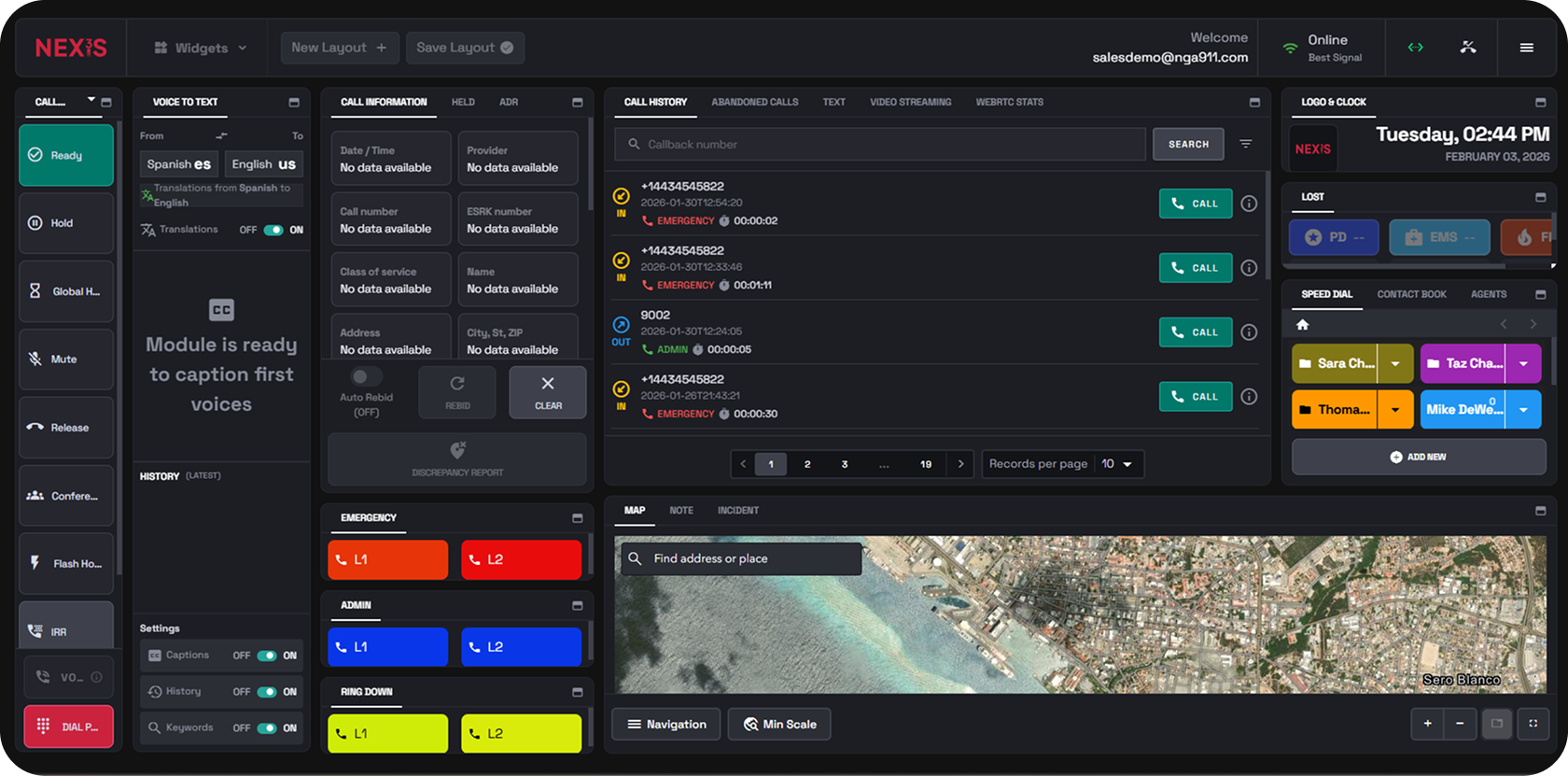


Receive 911 text messages from wireless callers and reply in real time from the call-taker position.

Character-by-character text that appears as it is typed, so call-takers can act before the caller finishes a sentence.

Support for legacy TTY devices while callers and carriers move to RTT.

Caller location delivered with each text session and displayed on the call-taker's map.

Transfer text sessions, with history and location, to another PSAP or a partner agency.

Full transcripts saved for quality review, investigations and records requests.
When someone texts 911, NEXiSText routes the session through the NG911 network to the PSAP that serves the caller's location. The call-taker sees the conversation, the location and the caller's number in the same workspace used for voice calls. With RTT, each character appears as it is typed, which saves critical seconds when a caller is injured, hiding or in danger.
See It In Action
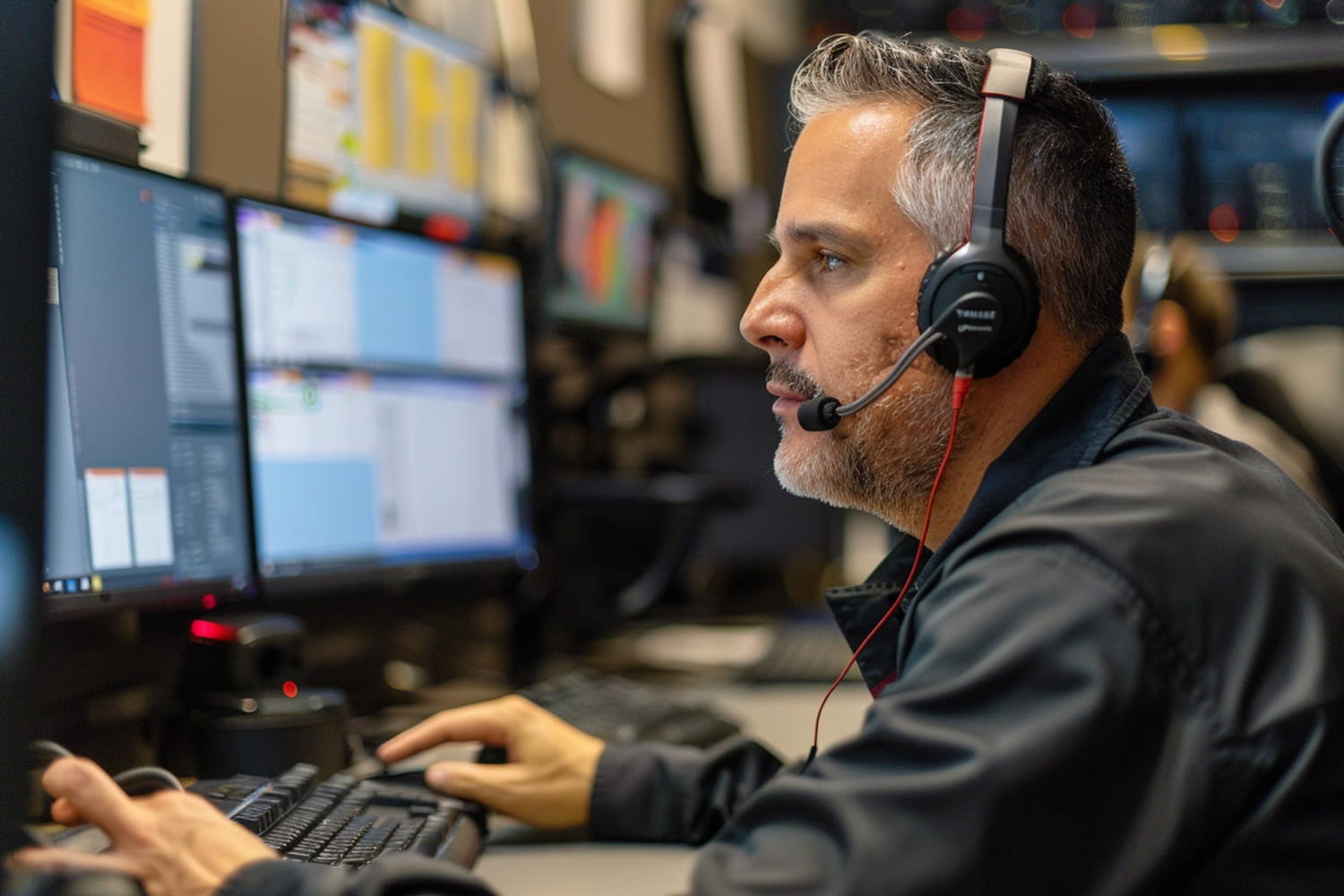

NEXiSText handles emergency conversations from:

SMS text messages from wireless phones
Real-Time Text (RTT) from smartphones
Legacy TTY devices
Callers who switch between voice and text in the same session


NEXiSText can serve one PSAP or an entire region. Every center gets text and RTT on the same platform, so a text started in one county can be transferred to the next with the full conversation intact.
For 911 directors, NEXiSText makes silent and accessible 911 part of everyday call handling. You meet FCC requirements, serve callers who are deaf, hard of hearing or unable to speak, and give call-takers one workspace for voice and text.
Request Demo
A: Real-Time Text (RTT) sends each character as it is typed, so the person on the other end sees the message form live instead of waiting for a full text to arrive. RTT works during a call on most modern smartphones and is replacing TTY for people who are deaf, hard of hearing or speech disabled.
A: Text-to-911 uses standard SMS messages that are sent one complete message at a time. RTT is sent character by character during a live session. NEXiSText supports both, so your PSAP can handle whichever method the caller uses.
A: Yes. NEXiSText helps PSAPs meet FCC requirements for accepting text-to-911 and Real-Time Text, and supports legacy TTY during the transition.
A: Yes. Location is delivered with each text session and shown on the call-taker's map, just like a voice call.
A: Call if you can, text if you cannot. Texting 911 is for people who are deaf, hard of hearing or speech disabled, and for situations where speaking would put the caller in danger, such as a home intrusion or domestic violence.

White papers, case studies and guides on NG911 modernization, ESInets, cloud infrastructure and public safety innovation. See how 911 authorities are planning, deploying and scaling next generation 911.
View cases

Dec 16, 2022
View case study

Get NG911 industry insights, regulatory updates, product news and best practices delivered to your inbox.

